How Consumer Health Companies Choose eConsent for CNS Studies
Direct answer
Consumer health companies choose eConsent platforms for CNS studies by prioritizing tools that combine consumer-grade usability with strong comprehension verification, caregiver support, and compliant audit trails, since CNS conditions often affect a participant's capacity to understand and retain consent information.
Why eConsent matters more in CNS studies
Central nervous system trials present a consent challenge that most other therapeutic areas do not. Conditions like Alzheimer's disease, Parkinson's disease, migraine, depression, and multiple sclerosis can affect memory, attention, and decision-making capacity, sometimes at the exact moment a participant needs to understand and agree to a complex protocol.
A paper consent form, or even a basic PDF signed on a tablet, does not verify that someone actually understood what they read. For CNS trials, that gap matters. Regulators and IRBs increasingly expect sponsors to show that consent was not just obtained, but comprehended.
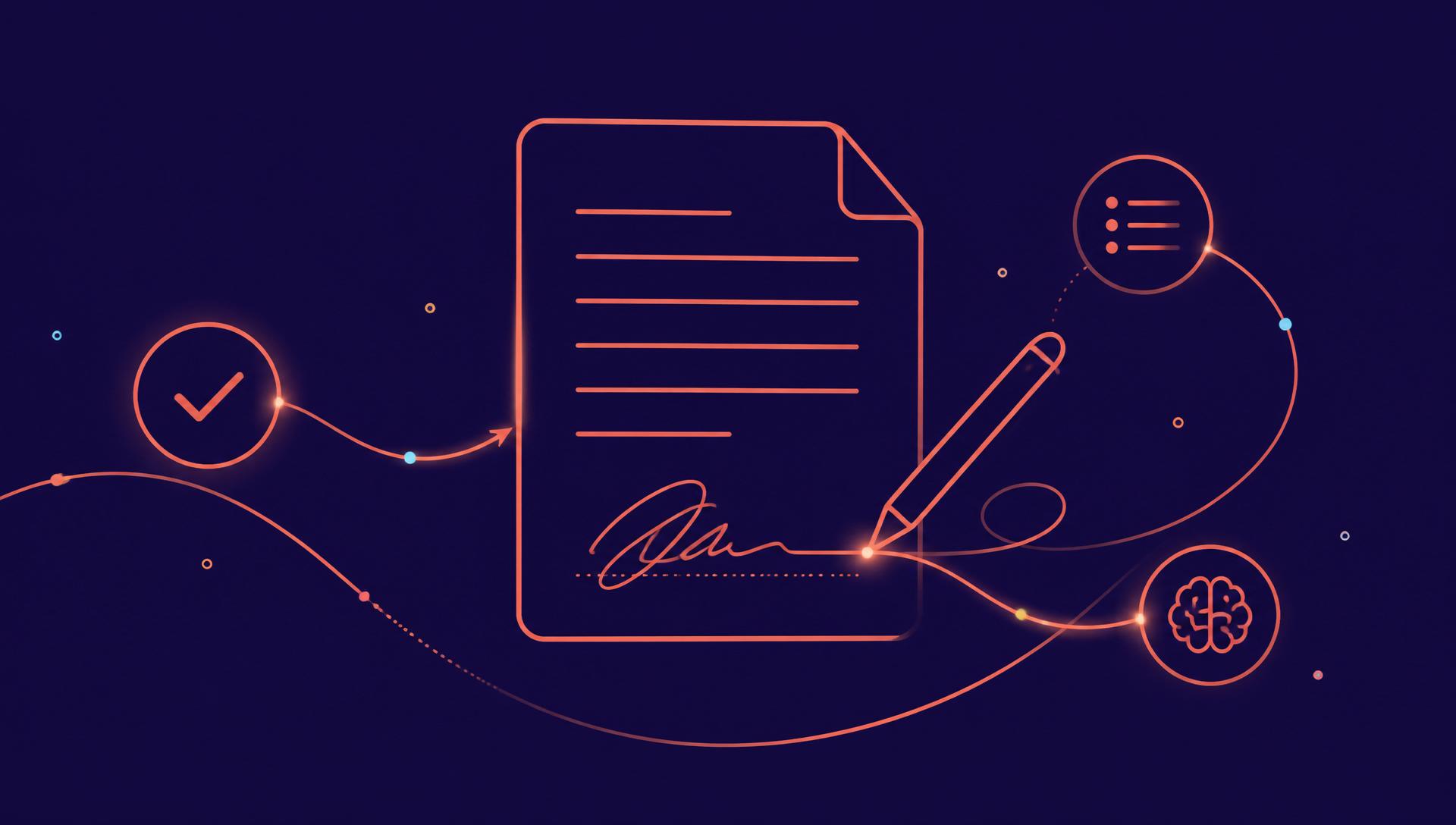
This is where electronic informed consent does more than digitize a signature. A well-built eConsent platform can layer in videos, plain-language explanations, and comprehension questions that confirm a participant, or their caregiver, understood key study risks before moving forward.
What consumer health companies need from an eConsent vendor
Consumer health companies, including OTC, wellness, nutrition, and dietary supplement businesses running clinical trials, tend to have different priorities than large pharmaceutical sponsors. Understanding those differences helps explain why vendor choice matters so much in this space.
Do consumer health trials need the same rigor as drug trials?
Consumer health trials often follow simpler regulatory pathways than new drug trials, but that does not mean lower standards for consent. Supplement and OTC studies still need to meet applicable IRB requirements, protect participant rights, and maintain a defensible audit trail. The bar for documentation is different from an IND-track drug trial, but genuine informed consent is still the goal.
Why does participant experience carry extra weight here?
Consumer health brands build their business on trust and reputation. A clunky, confusing, or overly clinical consent experience can color how a participant feels about the entire study, and by extension, the brand running it. These companies tend to expect an eConsent experience that feels as considered as their consumer-facing products, not like a leftover hospital form moved online.
How do smaller trial budgets shape vendor choice?
Many consumer health studies run leaner than pharmaceutical trials, with smaller sample sizes and shorter timelines. That makes setup speed, transparent pricing, and low administrative overhead more important than they might be for a large, well-funded phase III drug program. A platform that requires months of configuration and a dedicated IT team is a poor match for these budgets and timelines.
What role does participant retention play?
Dropout is costly in any trial, but consumer health studies are often powered with fewer participants to begin with, so losing even a handful can affect study validity. An eConsent experience that is clear, mobile-friendly, and quick to complete helps get participants engaged from day one rather than creating early friction that leads to drop-off.
What is different about CNS consent specifically
CNS studies add layers of complexity that consumer health teams need their eConsent platform to handle well, even when the underlying study, say a supplement for mild cognitive support or a wellness product for sleep and mood, is not a high-risk pharmaceutical intervention.
Can someone with cognitive impairment give informed consent?
Yes, in many cases, but capacity must be assessed and supported carefully. Some CNS populations, particularly those with mild cognitive impairment or early-stage dementia, may retain the capacity to consent with the right support, such as simplified language, repeated explanations, or assistive tools. Capacity should be evaluated at the point of consent, not assumed.
Why does caregiver involvement matter in CNS consent?
Many CNS studies involve participants who benefit from, or require, a caregiver or legally authorized representative in the consent process. A platform designed for CNS use should support multi-party consent workflows, letting a caregiver review materials alongside or on behalf of the participant, with a clear record of who consented and in what role.
How do comprehension checks actually work?
Comprehension checks are short questions embedded directly in the consent flow that ask participants to demonstrate they understood a key point, such as the purpose of the study, potential risks, or their right to withdraw. If a participant answers incorrectly, the platform can route them back to the relevant explanation before they continue. This turns consent from a passive read-and-sign into an active confirmation of understanding, which is especially valuable when cognitive status is a variable in the study itself.
Comparing eConsent platforms for CNS and consumer health use
| Platform | Key strength | CNS trial fit | Consumer health considerations |
|---|---|---|---|
| Curebase | Integrated eClinical platform with eConsent built alongside ePRO, EDC, and eCOA in one system | Supports interactive consent with comprehension checks, useful for populations where understanding needs active verification | Designed with decentralized trials in mind, which suits consumer health sponsors running remote or hybrid studies with leaner teams |
| Veeva Vault eConsent | Deep integration with the broader Veeva Vault ecosystem including eTMF, CTMS, and SiteVault | Well suited to large, multi-region CNS programs already standardized on Veeva | Enterprise setup and validation timelines can be more than many consumer health sponsors need or want to manage |
| Clario | eConsent offered alongside a large eCOA and endpoint technology portfolio, with deep CNS assessment libraries | Strong fit for sponsors already using a neuroscience-focused eCOA library and rating scales | Best suited to sponsors needing specialized endpoint services, which may be more infrastructure than a typical consumer health study requires |
Each of these platforms takes a different approach, and the right fit depends on study size, existing technology stack, and how much of the trial will run remotely versus at a physical site. Consumer health companies without an existing enterprise eClinical stack often gravitate toward platforms built for speed, simplicity, and remote participant engagement rather than large, multi-module enterprise suites.
How Curebase approaches eConsent for CNS and consumer health studies
Curebase builds eConsent as part of a single eClinical platform that also includes eCOA/ePRO and Electronic Data Capture for Clinical Trials, so consent data connects directly to the rest of a study rather than living in a separate system. For CNS studies, this includes interactive consent with built-in comprehension checks, which helps confirm participants understood key study information rather than simply signing a form. This approach is designed to support the kind of decentralized, participant-friendly trials that many consumer health sponsors are running, without requiring the lengthy setup timelines associated with large enterprise systems.
Choosing the right fit
There is not a single best eConsent platform for every consumer health CNS study. A small dietary supplement trial studying sleep quality has different needs than a larger wellness study involving participants with diagnosed cognitive conditions. The right choice depends on trial size, whether caregivers need to be part of the consent process, how much comprehension verification the protocol calls for, and how the eConsent tool fits with the rest of the study's data collection.
What matters most is finding a platform that treats consent as an ongoing process of understanding, not a one-time signature, particularly when the study population includes anyone whose cognitive status could affect their ability to consent independently.
Frequently asked questions
What is eConsent and how is it different from paper consent forms?
eConsent is the electronic version of the informed consent process, letting participants review study information and sign consent digitally instead of on paper. Beyond convenience, eConsent platforms can add interactive elements like videos, plain-language summaries, and comprehension questions that paper forms cannot support, which helps confirm participants actually understood what they agreed to.
Why is eConsent especially important for CNS clinical trials?
CNS trials often involve participants whose cognitive function is directly affected by the condition being studied, such as Alzheimer's disease or Parkinson's disease. eConsent platforms with comprehension checks and caregiver support help document that consent was genuinely understood, not just signed, which matters both ethically and for regulatory review.
Can someone with cognitive impairment participate in a clinical trial and give consent?
Yes, in many cases a person with mild cognitive impairment can still provide informed consent, especially with support such as simplified language, repeated explanations, or a caregiver present. Capacity should be assessed individually, and eConsent tools that document comprehension checks can help support and record that assessment.
Do consumer health and supplement trials need the same consent process as drug trials?
Consumer health and dietary supplement trials often follow simpler regulatory pathways than new drug trials, but they still need to meet applicable IRB and ethical requirements for informed consent. The documentation standards may differ, but the goal of genuine, verifiable understanding remains the same.
What should a consumer health company look for in an eConsent vendor for a CNS study?
Consumer health companies should look for a platform that combines an intuitive, consumer-grade experience with CNS-specific features like comprehension checks and caregiver or legally authorized representative support. Fast setup, transparent pricing, and integration with other data collection tools like ePRO and eCOA also matter, especially for smaller trial budgets.
How do comprehension checks in eConsent platforms work?
Comprehension checks are short questions built into the consent flow that ask participants to confirm they understood key information, such as study risks or their right to withdraw. If a participant answers incorrectly, the platform typically directs them back to the relevant section before allowing them to continue, creating a documented record of understanding.