eConsent for Consumer Health Companies: What OTC Drug Studies Require
Direct answer
eConsent for OTC drug studies needs to work for large, general-population samples rather than patient cohorts, using plain-language consent flows that still meet 21 CFR Part 11 and human subjects protection standards. This matters most for label comprehension studies, self-selection studies, and actual use studies, the study types FDA most often expects for nonprescription drug products and monograph-related evidence.
What kinds of studies do OTC drug companies run?
Consumer health companies developing over-the-counter drug products generate evidence through a different set of study types than a typical prescription drug sponsor. FDA guidance and the OTC drug application process point to several recurring formats: label comprehension studies, which test whether consumers understand proposed labeling; self-selection studies, which test whether consumers can appropriately choose whether a product is right for them based on that labeling; actual use studies, which observe how consumers use a product under real-world conditions; and, for topically applied ingredients under monograph review, Maximal Usage Trials that assess systemic absorption (FDA guidance on Maximal Usage Trials). When an OTC product is pursued through a full New Drug Application rather than an existing monograph, FDA's general expectation is substantial evidence of effectiveness, typically interpreted as requiring two adequate and well-controlled trials (Congressional Research Service report on FDA regulation of OTC drugs).
Why these studies look different from typical clinical trials
The participant population is the biggest structural difference. Label comprehension and self-selection studies enroll consumers, not diagnosed patients, and often need larger sample sizes to reflect the general population that will eventually buy the product off a shelf. These studies also tend to run as single-visit or short-duration observational designs rather than multi-visit longitudinal protocols, and the primary outcome is frequently about understanding or behavior, such as whether a participant correctly identifies who should not use the product, rather than a clinical or biological endpoint.
What should consumer health companies look for in eConsent for OTC studies?
An eConsent platform built for patient populations in a typical Phase 2 or 3 trial does not automatically translate well to a consumer study with hundreds or thousands of general-population participants. Consumer health companies should look for:
- Plain-language consent flows designed for a general audience, not clinical trial veterans who are already familiar with informed consent language
- The ability to scale quickly to large participant counts without slowing down enrollment
- Mobile-first design, since consumer studies frequently recruit and consent participants who are used to interacting with apps and websites, not clinical portals
- Full compliance with 21 CFR Part 11 and applicable human subjects protection requirements under 21 CFR Parts 50 and 56, even though the population is general consumers rather than patients with a diagnosed condition
- Support for comprehension checks built into the consent flow itself, which can complement the separate label comprehension study design
Does eConsent work for self-selection and label comprehension studies?
Yes. Because both study types are fundamentally about testing consumer understanding, an eConsent platform with strong plain-language design and built-in comprehension checkpoints does double duty: it satisfies the informed consent requirement for enrolling the participant, and the underlying design principles, clear language, logical sequencing, and comprehension verification, mirror what FDA looks for in the label comprehension and self-selection study data itself (research on eConsent and consumer understanding).
Where does Curebase fit for consumer health OTC studies?
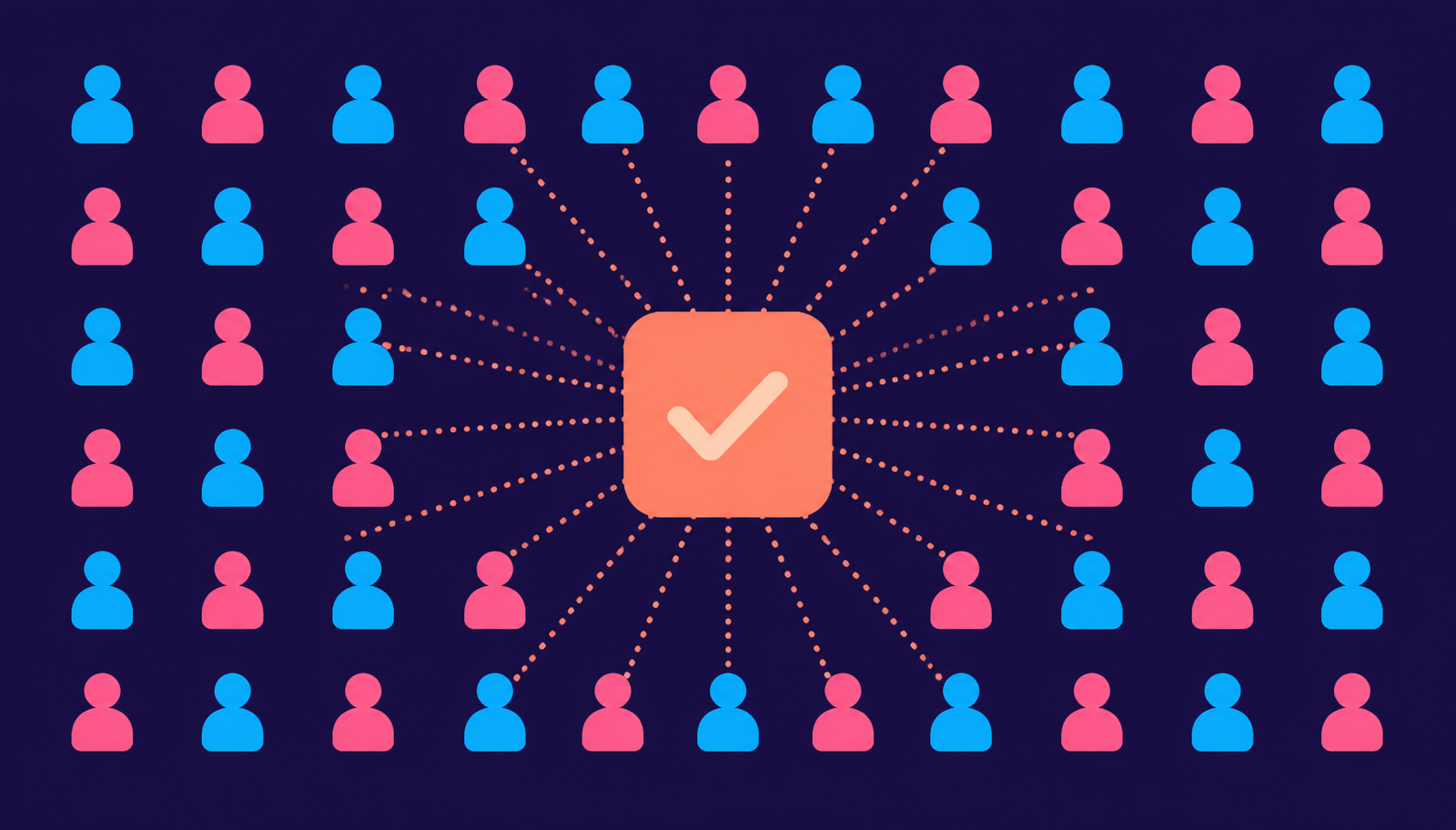
Curebase eConsent combines consent with Electronic Data Capture and eCOA on a single data model, which is useful for OTC studies that need to both consent a large consumer population and collect structured usage or comprehension data from that same population, such as an actual use study tracking how participants apply a product over several weeks. Rather than standing up separate consent and data collection systems for a high-volume consumer study, that structured model keeps enrollment, consent, and outcome data connected from day one.
Frequently asked questions
Do OTC drug studies need the same eConsent standards as prescription drug trials?
The underlying regulatory bar, 21 CFR Part 11 and human subjects protection requirements, applies regardless of whether the drug is prescription or OTC. What changes is the audience: OTC study consent needs to be understandable to a general consumer population, not just a clinical trial-experienced patient.
What is a label comprehension study, and does it need eConsent?
A label comprehension study measures whether consumers understand the information on proposed OTC labeling. It is a separate study design from informed consent, but every participant in that study still needs to give informed consent to take part, so an eConsent platform is still required for the enrollment step.
How large do consumer health OTC studies typically need to be?
Sample sizes vary by study type and are not fixed by a single FDA rule, but label comprehension, self-selection, and actual use studies generally recruit larger, more demographically varied consumer samples than a typical patient-based clinical trial, since the goal is to represent the general purchasing population.
What is a Maximal Usage Trial and how does it relate to eConsent?
A Maximal Usage Trial, or MUsT, assesses potential systemic absorption of a topically applied active ingredient under maximal use conditions, primarily for ingredients being considered for an OTC monograph. Participants in a MUsT still require standard informed consent, so eConsent applies the same way it would in any human clinical trial.
Can one platform handle both eConsent and actual use study data collection?
Yes, when the platform is built to connect consent with downstream data capture. Curebase's combined eConsent, Electronic Data Capture, and eCOA model is designed for exactly this kind of study, where consenting a large consumer population and collecting their usage data need to stay connected rather than living in separate systems.
Why does plain-language design matter more for consumer health eConsent than for typical clinical trials?
Consumer health study participants are usually not experienced clinical trial patients. They may have no prior exposure to informed consent documents, so a consent flow written in typical clinical trial language risks confusing participants rather than informing them, which undermines the goal of the consent process itself.