
Medical Device Trials: Complete 2026 Guide to Approval
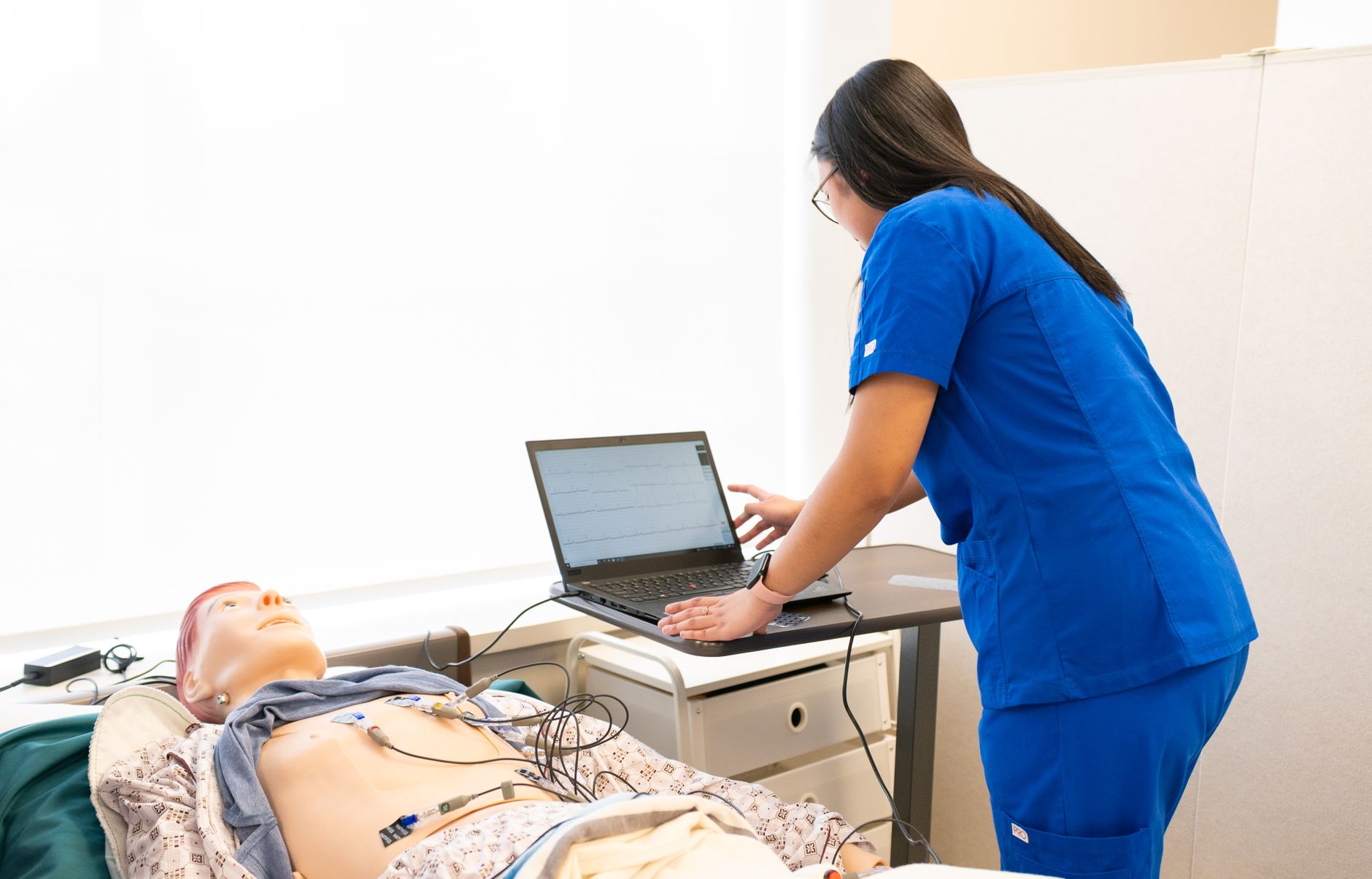
Medical device trials are a unique and essential part of bringing new health technologies to patients. Unlike pharmaceutical studies, these trials navigate different regulatory hurdles, study designs, and challenges. From a groundbreaking implant to a new diagnostic app, every device needs to prove it’s safe and effective. This guide breaks down the complex world of medical device trials, giving you a clear roadmap from the initial lab test to long term market surveillance.
The Journey Begins: From Concept to First In Human Studies
Before a medical device can be tested in people, it must go through rigorous preparation. This initial phase sets the foundation for the entire clinical trial process.
Clinical Trial Initiation and Preclinical Testing
The journey starts long before patient one. Preclinical testing involves extensive lab (bench) and animal studies to establish a baseline of safety and performance. This isn’t just a box ticking exercise; it’s about challenging the device under worst case scenarios. For example, biocompatibility testing under ISO 10993 standards ensures the materials won’t cause harm inside the body. Modern regulations, especially in the EU, now require deep chemical characterization to identify any substances a device might release.
Once preclinical data shows the device is reasonably safe, the clinical trial initiation phase begins, including study start-up activities. This is where the blueprint for the human study, the clinical investigation plan or protocol, is created. This document details everything from the study’s goals and patient criteria to the statistical analysis plan. It’s the critical transition from the lab to real world testing.
US Pathway: The Investigational Device Exemption (IDE)
In the United States, you generally can’t test an unapproved device on humans without an Investigational Device Exemption (IDE) from the FDA. An IDE literally provides an exemption from the law, allowing the device to be shipped and used for study purposes.
For significant risk devices (like implants or life sustaining equipment), sponsors must submit a full IDE application to the FDA for approval. For non significant risk devices, a full FDA application isn’t needed; the study can proceed with just approval from an Institutional Review Board, which is sometimes called an abbreviated IDE.
Ethical Oversight: The Institutional Review Board (IRB) Review
No medical device trial can begin without ethical approval. An Institutional Review Board (IRB), known as an Ethics Committee in other regions, is an independent committee that protects the rights and welfare of trial participants. The IRB reviews the study protocol, informed consent forms, and risk mitigation plans. Their job is to ensure the potential benefits of the research are reasonable in relation to the risks. An IRB must approve a study before a single patient can be enrolled.
Navigating Global Pathways: The EU MDR Framework
Conducting medical device trials in Europe involves a different but equally rigorous set of rules under the Medical Device Regulation (MDR). The EU MDR significantly raised the bar for clinical evidence, making it crucial for manufacturers to understand the process. The previous directive had only one article on clinical investigations, whereas the MDR has around 20, showing a much greater focus on clinical proof.
The EU MDR Clinical Investigation Pathway
To run a trial for CE marking (the EU’s symbol of conformity), sponsors must follow the EU MDR clinical investigation pathway. This involves submitting a detailed application to the national competent authority and an ethics committee in each country where the trial will run. All investigations must also comply with ISO 14155, the good clinical practice standard for device trials.
Key MDR Articles for Clinical Investigations
- Article 62 (Conformity Investigation): This is the main article for pre market medical device trials intended to gather data for a CE mark. It lays out the core requirements for designing, conducting, and reporting the investigation to prove a device’s safety and performance.
- Article 74(1) (Post Market Clinical Follow up): This provides a streamlined path for studies on devices that are already CE marked. Known as PMCF studies, these investigations gather additional long term data. As long as the study is within the device’s intended use and doesn’t add invasive or burdensome procedures, a simpler notification process to authorities is required.
- Article 82 (Other Clinical Investigations): This article covers studies not aimed at getting a CE mark, such as academic or investigator initiated research. It ensures that even these trials follow fundamental rules for patient safety, informed consent, and data integrity.
EUDAMED and the Single Identification Number (CIV ID)
A key feature of the MDR is transparency through the European database, EUDAMED. Every clinical investigation must be registered to get a EUDAMED single identification number (CIV ID). This unique code is used to track the trial across all EU member states, ensuring all related submissions and communications are tied to the correct study.
Designing Effective Medical Device Trials
The success of a medical device trial often hinges on its design. Device studies have unique characteristics and require careful planning around study type, endpoints, and patient selection.
Types of Clinical Studies
- Pilot Study: A small, preliminary trial, often the first in human or early feasibility study. A pilot study, which can enroll as few as 10 to 30 patients, isn’t meant to prove effectiveness but to assess initial safety, refine procedures, and gather early performance data before a larger trial.
- Pivotal Study: This is the main, definitive trial designed to provide the core evidence for regulatory approval. It’s typically larger and more rigorous than a pilot study, with data from a successful pivotal study forming the backbone of a submission to regulators.
- Interventional Study: Researchers actively assign participants to receive an intervention (like the new device) to evaluate its effects. This controlled approach, especially a randomized controlled trial, is a powerful way to establish cause and effect.
- Observational Study: Researchers observe outcomes in patients who receive a device as part of their normal medical care, without assigning the treatment. These studies are excellent for gathering real world evidence but are more susceptible to bias since they aren’t randomized.
Defining Success: Endpoint Selection
Endpoint selection is about choosing the measurable outcomes that will define success. These should be clinically meaningful, reflecting a real benefit to the patient, like improved function or symptom relief. For symptom or function endpoints, electronic patient-reported outcomes (ePRO) tools simplify capture and compliance. The primary endpoint is the main outcome used to judge the trial’s success and is used to calculate the necessary sample size.
Building the Cohort: Patient Population and Sample Size
Defining the patient population with clear inclusion and exclusion criteria is essential. The group studied should represent the device’s intended users.
Deciding on the sample size is a statistical calculation to ensure the trial has enough participants to produce reliable results, and a modern EDC helps maintain data quality throughout enrollment. Interestingly, medical device trials often have smaller sample sizes than drug trials. A review of FDA data found it is common for a significant risk device trial to include fewer than 100 subjects. While this can be reassuring for innovators, the sample size must always be large enough to support a scientifically valid conclusion. In about 25% of cases, the FDA has required data from more than one clinical trial to grant approval.
Unique Design Challenges
- Study Design Variability: Device trials often allow for more design flexibility than drug trials. Single arm studies compared to performance goals or adaptive designs are more common and can be accepted by regulators if justified.
- Blinding and Control Group Challenge: It can be difficult to “blind” a device trial. A surgeon and patient usually know if an implant was used. A review found that only about 14% of pivotal device studies were double blinded. This challenge requires creative solutions, like using independent committees to review outcomes without knowing which treatment a patient received.
- Long Term Follow up: Many devices, especially implants, require long term follow up for years after the initial study period. This is crucial for identifying late stage complications or confirming the device’s durability, and remote follow-up via decentralized clinical trials can improve retention and data completeness.
Meeting Regulatory Standards for Approval
Ultimately, the goal of medical device trials is to generate enough high quality evidence to earn regulatory approval. This means meeting a high bar for scientific proof and transparency.
The Foundation of Proof: Valid Scientific Evidence
The FDA bases its decisions on valid scientific evidence. This is a regulatory term for reliable, unbiased data from well conducted studies. It can include well controlled trials, well documented case histories, or significant human experience. Anecdotes or opinions without data do not count. The well controlled clinical investigation requirement is a key part of this; regulators expect studies to have a comparison or control group to minimize bias and clearly show the device’s effect.
From Data to Submission
- Data Analysis for PMA Submission: For high risk devices, a Premarket Approval (PMA) application includes a detailed statistical analysis of the trial data. This analysis must show that the predefined endpoints were met and that the device’s benefits are statistically significant, and purpose-built reporting dashboards can accelerate data review and submission readiness.
- Acceptance of Foreign Clinical Investigation Data: Regulators like the FDA will accept data from trials conducted outside the US as long as the studies followed good clinical practice and the data is relevant to the US population.
- Safety and Effectiveness Determination: The final decision comes down to a safety and effectiveness determination. Regulators weigh the probable benefits against the probable risks. The device doesn’t have to be risk free, but its benefits must outweigh any risks for its intended use.
Ongoing Oversight and Transparency
- Bioresearch Monitoring (BIMO): The FDA’s BIMO program involves inspections of clinical trial sites, sponsors, and IRBs to ensure compliance and data integrity. These audits verify that the trial is being conducted properly and can result in Warning Letters if serious issues are found.
- ClinicalTrials.gov Reporting: In the US, most medical device trials must be registered on the public database ClinicalTrials.gov, and their results must be posted. Sponsors certify their compliance with this requirement using Form FDA 3674 in their marketing applications.
Life After Launch: Post Market Surveillance
Approval isn’t the end of the road. Manufacturers must continue to monitor their device’s performance in the real world through post market surveillance (PMS). This involves collecting and analyzing data from complaints, user feedback, registries, and formal post market studies. Under the EU MDR, manufacturers of moderate and high risk devices must create a Periodic Safety Update Report (PSUR) summarizing their PMS findings. Similarly, the FDA has the authority to order post market studies, as it did for metal on metal hip implants and surgical mesh following safety concerns.
Navigating the complexities of medical device trials requires expertise and precision. Whether you are running a small pilot study or a large global pivotal trial, leveraging modern tools can make a significant difference. Platforms like Curebase help sponsors manage everything from patient recruitment to data collection, streamlining the path to market.
Frequently Asked Questions About Medical Device Trials
1. What is the main difference between medical device trials and drug trials?
Medical device trials often involve smaller patient populations, are more likely to use innovative study designs (like single arm trials), and face unique challenges like the difficulty of blinding the study. The regulatory pathways (IDE vs. IND) are also distinct.
2. Do all medical devices require clinical trials?
No. Low risk (Class I) devices generally do not require trials. Moderate risk (Class II) devices sometimes require clinical data, but many are cleared based on demonstrating similarity to an existing device. High risk (Class III) devices almost always require comprehensive medical device trials to gain approval.
3. What is a pivotal study for a medical device?
A pivotal study is the definitive clinical trial designed to provide the primary evidence of a device’s safety and effectiveness for regulators. The results of this study are the cornerstone of a marketing application, like a PMA.
4. How long do medical device trials usually take?
The duration varies widely depending on the device, the disease, and the required follow up. A simple pilot study might last a few months, while a pivotal trial for a long term implant could require following patients for five years or more.
5. What is an Investigational Device Exemption (IDE)?
An IDE is an authorization from the FDA that allows an unapproved medical device to be used in a clinical study. It’s the regulatory key that unlocks the ability to test a new device in humans in the United States.
6. What is the role of an IRB in a device trial?
An Institutional Review Board (IRB) is an ethics committee that reviews and approves a clinical trial before it can begin. Its primary mission is to protect the rights, safety, and well being of the human subjects participating in the research.
Bringing a new device to market is a challenging but rewarding journey. With a solid understanding of the terminology and processes, you can confidently navigate the path to approval. If you’re looking to execute your next trial with greater efficiency, explore how Curebase’s platform and services can support your goals.