Top 5 Decentralized Clinical Trial (DCT) Technology Platforms in 2025
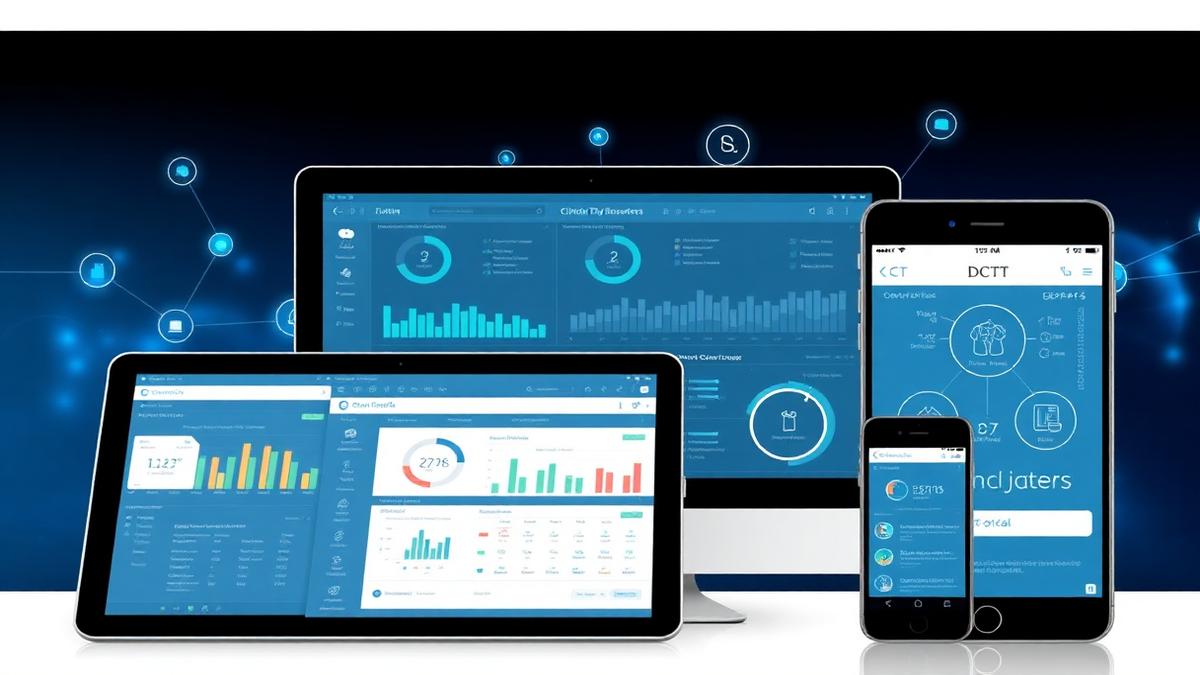
Decentralized clinical trials (DCTs) have shifted from experimental approaches to a mainstream expectation in research. Sponsors, CROs, and sites face constant pressure to accelerate timelines, improve patient experiences, and maintain compliance. Choosing the right DCT technology platform has become one of the most important strategic decisions in clinical research.
This article explores the top 5 DCT technology platforms in 2025. We'll highlight how each solution helps modernize trial execution, with Curebase leading the way as a structured, AI-powered alternative to larger incumbents.
1. Curebase – The Modern Structured DCT Platform
Curebase has quickly established itself as a leader in decentralized clinical trial technology. Built as an end-to-end eClinical platform, Curebase serves sponsors, CROs, sites, and participants with one structured system — eliminating the fragmented workflows of traditional approaches.
Key Capabilities
- Structured Platform: ePRO/eCOA, eConsent, EDC, engagement tools, payments, scheduling, and AI-driven oversight in one solution.
- Curebase Recruit: Next-generation recruitment engine with multilingual outreach, pre-screening, referrals, and ROI tracking.
- eCOA Vigilance: AI monitoring that predicts participant drop-off before it happens, giving sites proactive outreach lists.
- AI at the Core: Machine learning is embedded throughout recruitment, engagement, and oversight — not bolted on.
- Global Scale: Multilingual design and inclusive workflows enable trials across diverse populations.
Why Curebase Stands Out
- Patient-centric and site-friendly: Sponsors win when sites and participants enjoy using the technology. Curebase prioritizes intuitive design for every stakeholder.
- Agility and innovation: A modern, flexible team that adapts to study needs quickly, unlike legacy vendors.
- Transparent ROI: Recruitment and engagement tools deliver measurable outcomes in speed, diversity, and retention.
Curebase is the future-proof choice for organizations seeking a flexible, modern DCT platform that works seamlessly across the entire trial ecosystem.
2. Medidata (Dassault Systèmes)
Medidata remains one of the largest and most established providers in the DCT and eClinical landscape. Its Rave Clinical Cloud suite supports a wide range of capabilities, from EDC to eCOA and decentralized trial modules.
Strengths
- Longstanding market presence with broad pharma adoption.
- Robust integrations and global reach.
- Large-scale support and service infrastructure.
Considerations
Medidata is an enterprise-heavy solution, often best suited for global pharma. Smaller, fast-moving biotechs may find it less agile compared to modern platforms like Curebase.
3. Veeva Systems
Veeva has steadily expanded its clinical operations presence with Veeva Vault Clinical Suite and Veeva SiteVault, adding decentralized trial features.
Strengths
- Cloud-native infrastructure built for scalability.
- Strong regulatory compliance and data governance.
- Growing tools for sponsor-site connectivity.
Considerations
Veeva's DCT modules are newer compared to its established Vault offerings, requiring effort to fully enable decentralized workflows.
4. Oracle Health Sciences
Oracle provides a broad portfolio of eClinical solutions supporting hybrid and decentralized trial designs. With decades of enterprise adoption, its platforms are widely used across the industry.
Strengths
- Reliable global infrastructure with strong compliance.
- Comprehensive analytics and reporting powered by Oracle.
- Proven adoption in large, complex studies.
Considerations
Oracle solutions are often considered heavyweight — less flexible for smaller studies and slower to adapt compared to newer players.
5. IQVIA
IQVIA, one of the largest CROs globally, has invested heavily in DCT enablement through its Orchestrated Clinical Trials (OCT) platform. It combines technology with operational expertise to deliver hybrid and fully decentralized trials at scale.
Strengths
- Deep CRO experience paired with advanced tech.
- Access to one of the largest healthcare data sets in the world.
- Proven infrastructure for global studies.
Considerations
While IQVIA's scale is unmatched, sponsors may find themselves tied to bundled services, with less flexibility than independent technology-first providers like Curebase.
How to Choose the Right DCT Platform
When evaluating decentralized clinical trial solutions, sponsors should weigh:
- Complexity of the protocol (single-site vs. global multi-arm trials).
- Budget and scalability needs.
- Flexibility and agility to adapt to protocol changes.
- Site adoption rates and ease of use.
- Patient engagement capabilities, including mobile access, multilingual design, and intuitive UX.
For organizations seeking a modern, structured, and flexible solution, Curebase stands out as the most adaptable choice among today's leading platforms.
FAQs on Decentralized Clinical Trial Platforms
Q1: What is a decentralized clinical trial (DCT) platform?
A DCT platform enables trials with reduced reliance on physical site visits. Core features include eConsent, ePRO/eCOA, telemedicine, digital recruitment, and remote data capture.
Q2: Why are DCT platforms important in 2025?
They accelerate trials, reduce patient burden, improve diversity, and streamline operations by digitizing trial processes.
Q3: What makes Curebase different from larger providers?
Curebase is a modern structured platform with AI-driven engagement and oversight. It prioritizes ease of use, rapid innovation, and measurable ROI.
Q4: Which platform is best for small biotechs?
While enterprise providers like Medidata or Oracle suit large pharma, Curebase is ideal for biotechs due to its agility, affordability, and usability.
Q5: Can DCT platforms integrate with existing EDC or safety systems?
Yes. Most leading platforms, including Curebase, offer integration options. Curebase is vendor-agnostic, ensuring smoother interoperability.
Q6: What features matter most for patient engagement?
Mobile accessibility, multilingual support, AI reminders, and intuitive design are critical to compliance, retention, and trial success.